Intel Socket 478 Copper Core CPU Cooler Review (2026): A Spec-Based Look
As an Amazon Associate we earn from qualifying purchases. Links on this page are affiliate links.
This intel copper core socket 478 review focuses on the Intel Socket 478 Copper Core CPU Cooler. It is a legacy cooling solution designed for older desktop systems. The unit features a copper core embedded in an aluminum heat sink. This material combination helps draw heat away from the processor efficiently. It includes a 2.5-inch fan for airflow. The cooler supports Socket 478 processors, including Pentium 4 and Celeron models up to 3.40 GHz. It uses a standard 3-pin fan connector with an approximately 11-inch cord. The installation relies on a heat sink retention clip for secure mounting.
What stands out
- Copper core integrated into an aluminum heat sink for improved thermal conductivity
- Supports Intel Socket 478 Pentium 4 and Celeron processors up to 3.40 GHz
- Includes a 2.5-inch fan with a 3-pin connector and 11-inch cord
- Uses a heat sink retention clip for straightforward installation
Who it fits
Good fit for
This cooler suits users maintaining legacy Socket 478 systems, such as older Pentium 4 or Celeron setups. It is ideal for those needing a direct replacement for a failed stock cooler. The 3-pin connector fits standard motherboard headers found on older boards. If you are restoring a classic PC or running a low-power legacy build, this spec-based option provides reliable cooling for processors up to 3.40 GHz without requiring complex mounting hardware.
Who should skip it
You should look elsewhere if you have a modern motherboard. This unit only fits Socket 478, so it is incompatible with current LGA or AM4/AM5 sockets. The 2.5-inch fan may be insufficient for high-TDP processors or noisy environments. It lacks PWM support, offering only basic speed control via the 3-pin header. If you need silent operation or support for newer processor architectures, this legacy cooler will not meet your requirements.
Verdict: This is a spec-driven replacement for legacy Socket 478 systems. It offers basic cooling performance for older Pentium 4 and Celeron processors.
Key specs explained for this cooler
Fan Size: 2.5-inch
This fan diameter determines the physical footprint on your motherboard. A 2.5-inch fan is smaller than standard 120mm or 140mm cases fans. It fits older cases with limited clearance. You get lower airflow compared to larger fans. Choose this if your case only supports small fans or if you need a compact solution for legacy hardware. Larger fans move more air at lower speeds.
Material: Aluminum, Copper core
The heat sink uses aluminum fins with a copper core. Copper conducts heat faster than aluminum alone. This design helps pull heat away from the CPU quickly. Aluminum keeps the weight and cost down. You benefit from efficient heat transfer for older processors. Compare this with all-aluminum coolers. The copper core offers better thermal performance for the same size.
Socket Compatibility: Socket 478
This cooler only fits Intel Socket 478 processors. It works with Pentium 4 and Celeron chips from that era. It will not fit modern LGA 1700 or AM5 sockets. You must verify your motherboard has this specific socket type. If you are building a retro PC, this is essential. Modern coolers use different mounting holes and brackets. Check your CPU socket before buying.
Compatible Device: Intel Pentium 4, Celeron
This cooler targets older Intel desktop processors. It supports Pentium 4 and Celeron models. These chips have lower thermal output than modern CPUs. The cooler is sized for their specific heat dissipation needs. You get adequate cooling for legacy systems. Do not use this on high-power modern CPUs. It lacks the mass for today's processors. Stick to the specified compatible devices for safety.
Mounting Type: Heat sink retention clip
This unit uses a specific retention clip for installation. It attaches to the motherboard’s existing bracket points. You do not need screws for the main mount. The clip ensures even pressure on the CPU. Check if your motherboard has the correct holes for this clip. It simplifies installation on older boards. Modern coolers often use push-pins or screws. This method is standard for Socket 478 era hardware.
Design and build details
The listing describes a construction that pairs a copper core with an aluminum heat sink. This material choice aims to balance thermal conductivity with weight. The copper core serves as the primary heat source interface, while the aluminum fins provide surface area for dissipation. According to the listing, this combination is typical for legacy processors like the Intel Pentium 4 and Celeron series. You should expect a compact form factor rather than a massive tower design. The unit relies on a 2.5-inch fan for airflow. This smaller fan size fits within the tight clearances of older computer cases. It does not offer the high static pressure of modern large fans, but it matches the thermal output needs of CPUs up to 3.40 GHz.
Mounting is handled by a dedicated heat sink retention clip. This clip secures the cooler directly to the motherboard without requiring complex bracket systems. The fan connects via a standard 3-pin connector. The cord length extends approximately 11 inches from the fan to the connector. This length provides enough slack to reach the CPU fan header on older motherboards. The overall layout is simple and functional. There are no extra features or complex tubing. The design prioritizes direct contact with the processor socket. This straightforward build ensures compatibility with the specific mechanical requirements of Socket 478 systems. You get a no-frills solution that fits the original hardware constraints.
Setup and everyday use
Setting up this cooler requires careful attention to your motherboard layout. The unit uses a heat sink retention clip for mounting. This clip secures the aluminum and copper assembly directly to the CPU socket. You must align the clip with the designated holes on the Socket 478 motherboard. This mechanical method ensures stable contact between the copper core and the processor heat spreader. The installation does not involve complex brackets or screws. It relies on the clip mechanism to apply pressure.
Once installed, you connect the fan to the motherboard. The cooler includes a 3-pin fan connector. The cord extends approximately 11 inches from the fan to the connector. This length allows you to reach the CPU fan header on older boards. You should plug it into the designated SYS_FAN or CPU_FAN header. The 3-pin design means the fan speed is controlled by voltage. Your motherboard BIOS will manage the rotation speed based on temperature readings.
In daily use, this cooler supports Intel Pentium 4 and Celeron processors. It is rated for chips running from 2.8E to 3.40 GHz. The 2.5-inch fan moves air across the aluminum fins. This airflow dissipates heat generated by the copper core. The system relies on this passive cooling method. You will need to ensure your case provides adequate airflow. The cooler does not include software controls. Fan speed adjustments happen automatically through the motherboard hardware. This setup is strictly for legacy systems. It does not fit modern Socket 1151 or 1700 platforms. The physical dimensions and mounting style are specific to older hardware designs.
Before You Buy This Cooler
Before you buy this legacy cooler, verify your motherboard has a Socket 478. This unit only fits Intel Pentium 4 and Celeron processors up to 3.40 GHz. Modern systems use different sockets, so compatibility is critical. The 2.5-inch fan requires a specific 3-pin header on your board. Check your manual for available fan connectors. The 11-inch cord length may limit routing options in older cases. You should clean the aluminum fins periodically. Dust buildup reduces airflow and raises temperatures. This cooler is not suitable for high-end gaming or heavy workloads. It is designed for basic computing tasks. If you are building a retro PC, this spec-based solution works. For modern systems, look at current air coolers with larger fans. Those offer better performance and wider compatibility. Do not expect plug-and-play simplicity with older hardware. Double-check all physical dimensions before ordering. Ensure your case has enough height for the heat sink. This guide helps you avoid compatibility errors.
Check before you buy
- Verify your motherboard has a Socket 478.
- Check for a 3-pin fan header.
- Confirm processor speed is under 3.40 GHz.
- Ensure case height fits the heat sink.
- Check available fan connector locations.
The product at a glance
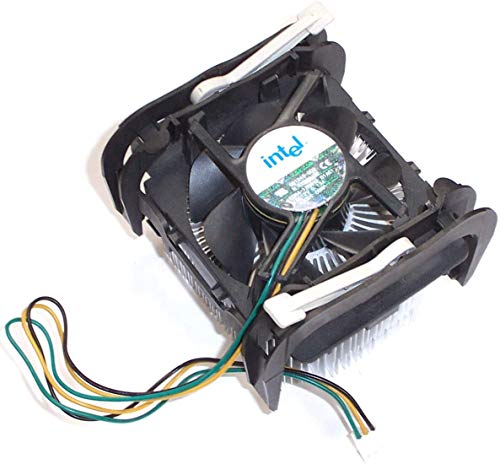
Intel Socket 478 Copper Core CPU Cooler
Best for: legacy Socket 478 system restoration
- Socket Compatibility
- Socket 478
- Material
- Aluminum, Copper core
- Compatible Device
- Intel Pentium 4, Celeron processors
- Fan Size
- 2.5-inch
- Mounting Type
- Heat sink retention clip
- Features
- Fan
View on Amazon: Intel Socket 478 Copper Core CPU Cooler Affiliate link
This Intel cooler uses a copper core inside an aluminum heat sink to manage heat for Socket 478 processors. It includes a 2.5-inch fan with a 3-pin connector and a retention clip. It supports Pentium 4 and Celeron chips up to 3.40 GHz. You should choose this if you need a direct replacement for older Intel systems.
Pros
- Copper core for efficient heat transfer
- Compatible with Socket 478 Pentium 4 and Celeron
- Includes 3-pin fan and retention clip
Cons
- Limited to Socket 478 compatibility
- Small 2.5-inch fan size
- Max support only up to 3.40 GHz
Good fit if
- You are restoring a legacy Socket 478 system
- You need a direct OEM replacement cooler
- You use a Pentium 4 or Celeron under 3.40 GHz
Skip if
- You have a modern CPU socket
- You need high airflow for overclocking
- You require 4-pin PWM fan control
Verdict: Intel Socket 478 Copper Core Cooler is a spec-matched replacement for older Intel Pentium 4 and Celeron builds. It fits users who need exact OEM compatibility rather than performance upgrades.
Specifications side by side
| Spec | Intel Socket 478 Copper Core CPU Cooler |
|---|---|
| Socket Compatibility | Socket 478 |
| Material | Aluminum, Copper core |
| Compatible Device | Intel Pentium 4, Celeron processors |
| Fan Size | 2.5-inch |
| Mounting Type | Heat sink retention clip |
| Features | Fan |
| Model | CS91249-002 |
Frequently asked questions
What is the model number for this Intel Socket 478 cooler?
The specific model number for this unit is CS91249-002. This identifier helps you verify exact compatibility with your legacy hardware. It ensures you are purchasing the correct OEM replacement part for older Pentium 4 or Celeron systems. Checking this number prevents ordering mismatched components for your restoration project.
Is the Intel Socket 478 Copper Core cooler suitable for modern PCs?
No, this cooler is designed strictly for legacy systems. It fits only Intel Pentium 4 and Celeron processors that use the Socket 478 interface. Modern motherboards use different sockets, so this unit will not physically or electrically connect to current generation CPUs. It is best for system restoration rather than new builds.
What materials are used in the Intel Socket 478 cooler construction?
The cooler features a copper core embedded within an aluminum heat sink. The copper core serves as the primary interface to draw heat away from the processor. The aluminum fins provide the necessary surface area for dissipation. This combination balances thermal conductivity with the structural weight required for older mounting clips.
Does this cooler include a fan for active cooling?
Yes, the product attributes list a fan as a included feature. This active component is necessary to move air across the aluminum fins and copper core. The fan connects to the motherboard to provide airflow, ensuring the CPU remains within safe operating temperatures during use.
Who should buy this specific CPU cooler?
This cooler is ideal for users restoring older Intel systems. It is best for those who need exact OEM compatibility for legacy Pentium 4 or Celeron builds. It is not suitable for users seeking performance upgrades or those with modern hardware. It serves as a direct replacement for failed original cooling units.
How does the copper core affect thermal performance?
The copper core acts as the primary heat source interface. Copper has high thermal conductivity, which helps draw heat away from the CPU quickly. This heat is then transferred to the aluminum fins for dissipation. This design ensures efficient heat transfer for the specific thermal output of older Socket 478 processors.